Learn 2 Ride

Snowboarding on pavement starts here.

Get the mindset + safety basics below, then drop into the free Beginner Course inside our community with a Free Riders account. When you’re ready to level up, Season Pass unlocks the advanced progression.

explore

Choose your

Path

Start here

Riders Account (free)

Community access + free Beginner Course.

Level up

Online Courses (Season Pass)

Unlock advanced lessons + full progression.

Hands-on help

Freebord Discovery (Initiation Sessions)

Start with a certified facilitator in-person.

The right

Mindset

As a beginner, you have to commit to the idea that you’re snowboarding on pavement (not skateboarding). Just like learning to snowboard, it may take several days or weeks to get the hang of it – even if you rip on snow. Be patient and expect to fall down a few times. You’ll be ripping soon enough.

Some tricks and moves need more time and effort to master. But don’t get frustrated when your progress is not as fast as you expected. Patience is the answer.

Ride Safe

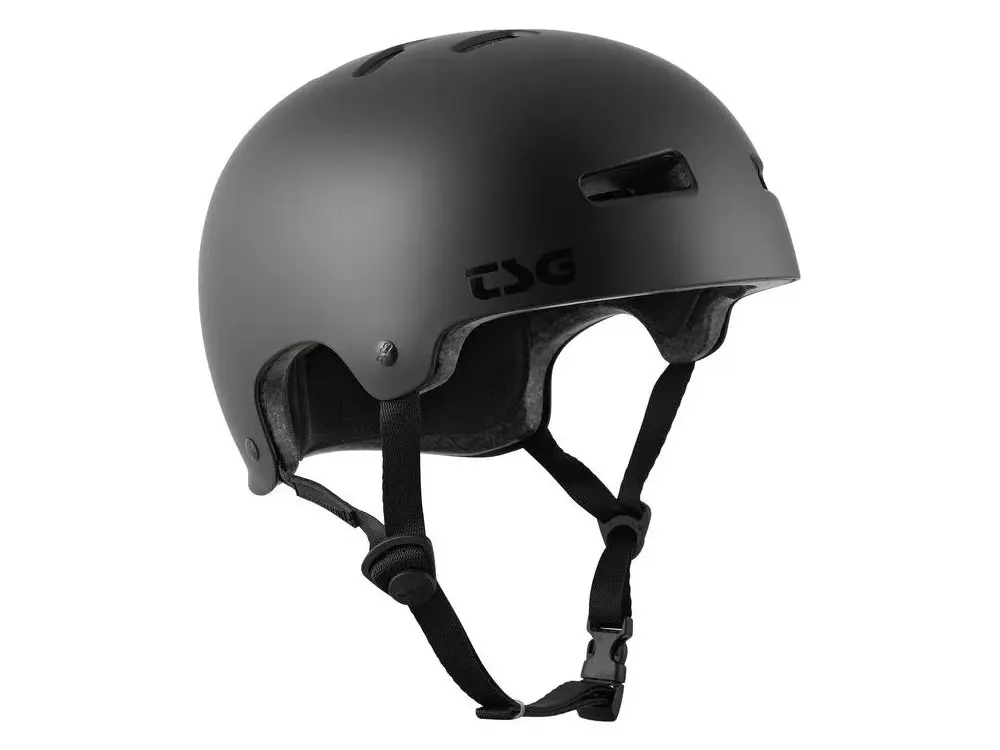
  • Always wear protective gear, including a helmet, wrist guards, knee pads and elbow pads.
  • Check the pavement–cracks, manhole covers, water, oil, etc. will affect your slide.
  • Keep your weight on your uphill edge.
  • Check your board for loose parts before riding.
  • Know your abilities and ride under control.

The right location

The right location will help you learn faster. Look for:

  • Super smooth pavement with no cracks, ridges or bumps.
  • Wide street–just like a bunny hill.
  • Moderate incline–enough for momentum but not enough to lose control.
  • No traffic.
IDEAL | BAD

Before you

Start

For now, we will assume you have assembled your Freebord, and are wearing a helmet at least. If not, read the safety and assembly sections that come with your board or in the links section. [Safety information].

  • Good posture or the correct body positioning is most crucial to practice in all board sports:
    Your head should be held up and high. Try not to look down.
    Focus on the direction you want to go. The direction you look, you’ll tend to go.
  • Your head as well as your shoulders need to be turned slightly in the direction you are riding.
  • Core muscles (hips, abdomen) and shoulders should be solely used to turn your freebord.
  • Turn by looking in the direction you want to ride, slightly move or open up your shoulders following your head & the turn or spin direction is initiated. Keep the back and abdomen fairly straight and upright.
  • Keep the hips balanced in the center of the board, the degree of drift or overslide can be held steady with the hips.
  • Keep your knees bent and weight just slightly over the forward leg to help initiate turns in the beginning or at slower speeds.

Always give your Freebord a safety check before you ride. Check for wear and tear on the wheels, deck, trucks and bindings. Check all nuts and bolts to make sure they are tight (including wheel and kingpin nuts). Every rider is different and how you tune your board will have a big impact on how fast you learn and how well you ride. Experiment with the following adjustments to figure out how to adjust your board to best fit your riding style.

Additional

Tips & Tricks

  • The more rocker the easier it is to slide. Many beginners prefer to learn this way, even if the board feels more unsteady. If the rocker is too much for you starting out, experiment by raising your center wheel one notch (towards the deck). This will give you less rocker but make it easier to catch an edge. When you improve, you will most likely want as much rocker as possible.
  • Experiment with your stance and truck tension.  Small adjustments mean a lot and every rider is different.  Set your front truck looser than your back truck to help initiate slides. Set them to equal tension if you plan to ride switch at all. Always set your two center wheels to the same height.
  • If you’re spinning unintentional 180′s, move your stance and weight forward on the board and square up your shoulders to the fall line.

Wheel wear

  • As your outer wheels wear down, adjust the center wheels closer to the deck to maintain a consistent amount of rocker.
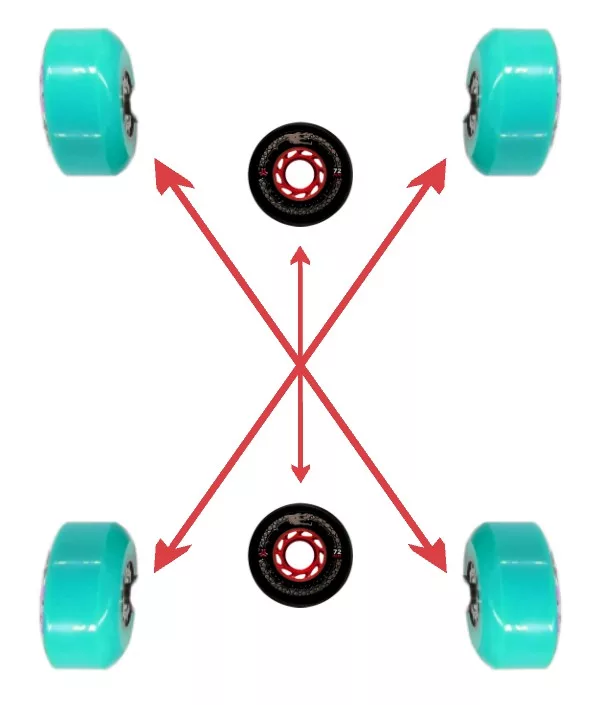
  • Most riders wear out the rear heelside wheel first.  Rotate your wheels in an X pattern to get the most life out of all four.
  • Prevent flat spots on your wheels by avoiding slides that are exactly perpendicular to the fall line.  Instead, slide diagonally to keep your wheels spinning.
  • Harder wheels (82A, 86A) slide easier, last longer and prevent flat spots.  Softer wheels (78A, 74A) hold a better edge.

Choose your

Path

Start here

Riders Account (free)

Community access + free Beginner Course.

Level up

Online Courses (Season Pass)

Unlock advanced lessons + full progression.

Hands-on help

Freebord Discovery (Initiation Sessions)

Start with a certified facilitator in-person.

DROP IN AND GOOD LUCK!

Not what you where

Looking for?

Freebord 5X

Easy to learn
Spring loaded independent suspension

Freebord 5

Maximum stability
Introducing the super-sized bushings

Assembly Instructions

Learn to assemble your board

Tune Your Bord

Unlock the full potential of your Freebord

Event Dates

Join the community & ride together.